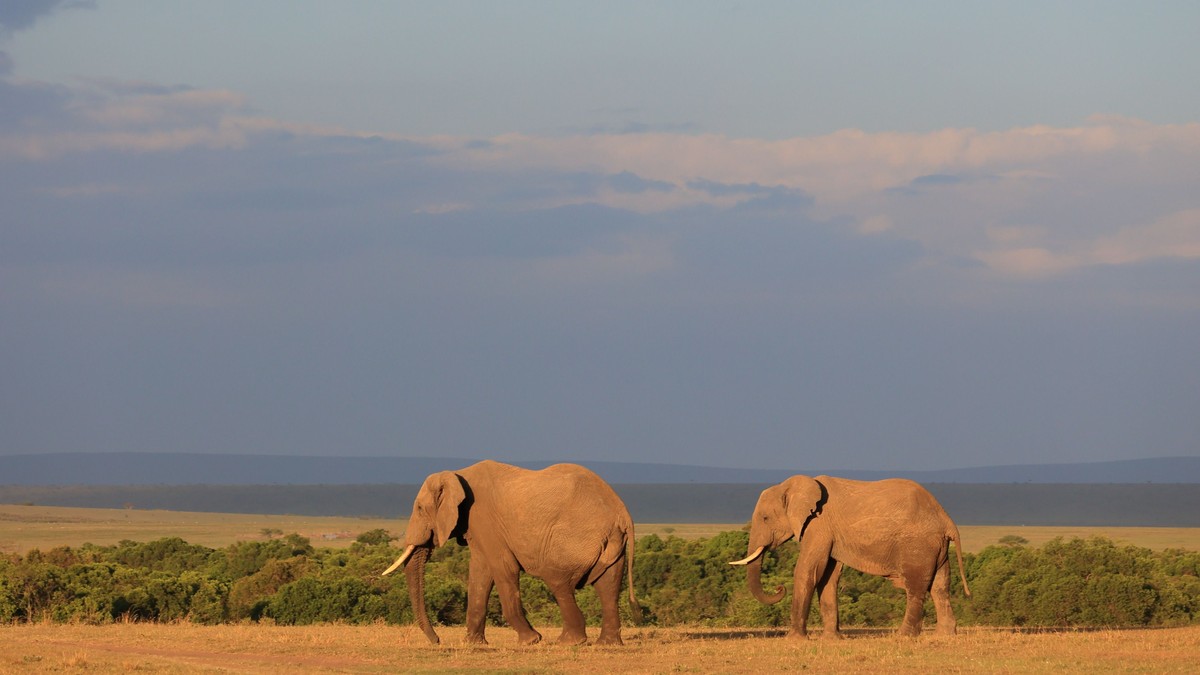
Craig died on January 3, 2026. This Amboseli super tusker elephants safari guide tells you what changed and where the big bulls actually are now. If you have been reading old blog posts about Amboseli’s super tuskers, most of them still talk about him like he is out there right now, swinging those enormous tusks through the swamp grass. He is not. That single fact changes how you should plan this trip.
I have been sending photographers to Amboseli for years, and the question I get most is simple: can I still see a real super tusker? The honest answer is yes, but it takes planning, patience, and a guide who knows where these elephants actually move. This guide gives you that plan.
What Is a Super Tusker Elephant?
A super tusker is a bull elephant whose tusks each weigh at least 100 pounds, or about 45 kilograms. Some researchers use a slightly looser definition, counting any bull whose tusks nearly touch the ground. Either way, these are rare animals. Most bulls never grow tusks anywhere close to that size.
Amboseli’s tuskers are famous because the ecosystem produces more of them than almost anywhere else left in Africa. That is not an accident.
Why Amboseli Grows Giants
Three things line up here. First, water. Amboseli’s swamps are fed by underground runoff from Mount Kilimanjaro, so they never fully dry out. Bulls here do not burn through fat reserves the way elephants in drier parks do. Second, genetics. A handful of old bloodlines carrying the big-tusk gene have survived in this population for generations. Third, protection. The Amboseli Trust for Elephants has studied this population since 1972, one of the longest-running elephant studies in the world. That visibility has helped keep poaching lower here than in most of Kenya.
Add Kilimanjaro rising behind the swamps, and you get the setting that made this park famous with photographers. That was long before “super tusker” was a phrase anyone used.
The Named Tuskers: Who Is Actually Still Out There
This is where most articles online are out of date. Here is where things stand as of mid-2026.
Craig, arguably the most photographed elephant in Kenya, died in January 2026 at an old age, after decades roaming between Amboseli and the Chyulu Hills. Tolstoy, another Amboseli legend known for a scarred face from old fights, died in 2023. Big Tim, maybe the most famous of them all, died of natural causes back in 2020.
A few big bulls remain. One Ton is still seen in the Amboseli basin, though sightings are not guaranteed on any given week. Conservationists working with Big Life Foundation and the Amboseli Trust for Elephants currently track roughly ten confirmed super tuskers across the wider ecosystem. That number includes younger bulls still growing into the title. That figure shifts as bulls age, die, or get poached, so treat it as an indicative range rather than a fixed count.
Satao, sometimes mentioned in the same breath, was actually a Tsavo elephant, not an Amboseli one. He was killed by poachers in 2014. It is a reminder of how quickly this list can shrink.
Conservation Threats You Should Know About
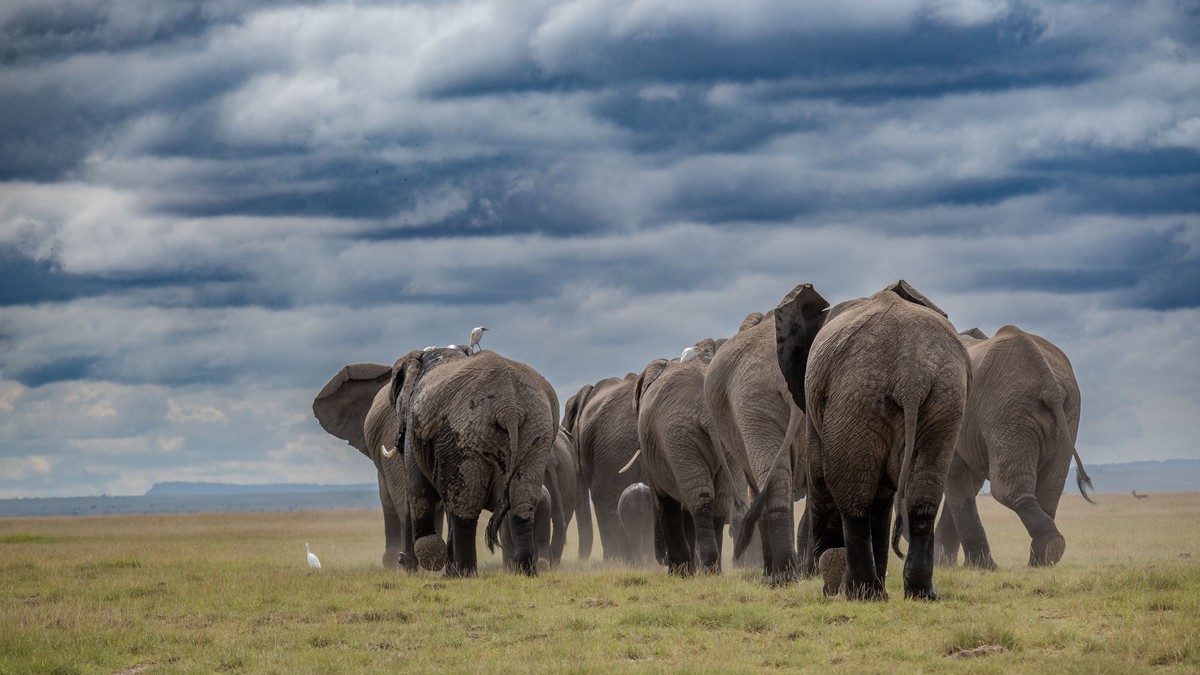
Poaching for ivory hit Amboseli hard in the 1970s and 1980s. That history is the reason so few old, giant-tusked bulls survive anywhere in Africa today. Kenya banned all hunting in 1977, and that ban still holds. The bigger current threat sits across the border.
Tanzania permits licensed trophy hunting, and Amboseli’s bulls roam freely between the two countries, following seasonal water and forage. A tusker that is safe inside Amboseli National Park can walk a few kilometers south and become legal prey. This cross-border gap is the single biggest reason conservationists worry about the next generation of super tuskers, not poaching inside Kenya itself.
Human-wildlife conflict adds pressure too, as farms expand along old elephant corridors near Kimana and Mbirikani. And with each big bull lost, the gene pool carrying those giant-tusk bloodlines gets thinner.
Where and How to Actually See Them
Amboseli National Park itself, with its KES 6,000 (about USD 45) daily adult non-resident park fee, is your starting point. But the tuskers do not stay inside the park boundary. They move through a web of community conservancies that ring it, and this is where choosing the right conservancy for elephant sightings really pays off.
Kimana Sanctuary, about a 45-minute drive from Amboseli’s main gate, sits directly in an active elephant corridor. It allows off-road driving and night drives, both useful for photographers chasing specific light. Selenkay Conservancy, roughly an hour northwest of the park, is quieter and often turns up bulls moving between Amboseli and Tsavo West. Kitirua Conservancy, tucked against the park’s western edge, gives you Kilimanjaro views without the midday minibus traffic inside the park itself.
Further south, the Chyulu Hills are protected largely through Big Life Foundation’s ranger network. They are part of the same corridor Craig used for decades and still see occasional big-bull movement.
Here is how the main options compare for a tusker-focused trip:
| Camp / Conservancy | Distance from Amboseli main gate | Drive time | Indicative price per night (per person, sharing) |
|---|---|---|---|
| Tortilis Camp (Kitirua Conservancy) | 8 km | 20 minutes | USD 650-900 |
| Porini Amboseli Camp (Selenkay Conservancy) | 55 km | 60-75 minutes | USD 450-600 |
| ol Donyo Lodge (Chyulu Hills) | 70 km | 90 minutes | USD 900-1,300 |
| Satao Elerai (private conservancy, park border) | 12 km | 25 minutes | USD 400-550 |
| Amboseli Serena Safari Lodge (inside the park) | 5 km | 10 minutes | USD 280-380 |
Prices swing with season and currency, so treat them as a planning range rather than a quote.
Best Time of Year and Time of Day
For elephant numbers generally, the dry months from late June through October and again in January and February are best, since animals concentrate around Amboseli’s permanent swamps. For photographers specifically, early morning between 6:30 and 8:30 gives you soft side light against Kilimanjaro before haze builds up, and the last hour before sunset does the same in reverse. Midday light is harsh and flat here, so plan your rest hours accordingly rather than fighting the sun.
Whichever bull you find, keep your distance and let your guide read the animal’s mood, especially with older tuskers who can be more sensitive to vehicles. Our notes on game drive etiquette when approaching elephants cover the specifics.
What Does an Amboseli Safari Cost, and How Does It Compare to the Mara?
A three-night Amboseli safari, including a tusker-corridor conservancy stay, typically runs from USD 1,200 to USD 3,500 per person. The price depends on the camp and season. That range covers park fees, most meals, and two guided game drives a day. Flying in from Nairobi’s Wilson Airport takes about 35 minutes, or you can drive the 240 km in roughly four hours on the tarmac road through Emali.
People often ask if the Maasai Mara beats Amboseli for elephant viewing. For sheer elephant numbers, the Mara wins, especially during the wildebeest migration months. But for giant, genetically distinct tuskers photographed against a mountain backdrop, Amboseli has no real rival left in Kenya. The two parks answer different questions, and if tuskers are your goal, Amboseli is the one to book.
How Conservation Groups Protect the Remaining Tuskers
Big Life Foundation runs the ranger network across the conservancies south of the park. Funding comes partly from tourism revenue and partly from donations, and the group coordinates directly with Tanzanian authorities on cross-border tracking. The Amboseli Trust for Elephants keeps individual life histories on every known elephant in the ecosystem. That record is how researchers can say with confidence when a bull like Craig has died, rather than simply gone unseen for a season. Both organizations rely on camps and conservancies staying financially healthy. That means your park fees and conservancy fees are doing real work, not just covering your own visit.
The Valley Safaris Difference
We do not promise a super tusker sighting, because nobody honestly can. What we do is build your itinerary around the corridors these bulls actually use. We base that on ranger reports and guide networks we check before every trip, not last year’s blog post. We will tell you plainly if the odds are low that week. We will also build in extra game drive time and pick the right conservancies instead of padding your schedule with filler stops. Our guides carry radios connected to the same tracking networks Big Life Foundation and Amboseli Trust for Elephants staff use. If a big bull is spotted nearby, we can move fast.
Plan Your Amboseli Super Tusker Elephants Safari
Amboseli’s super tuskers are not guaranteed, but a well-planned trip gives you a real shot, and Kilimanjaro alone is worth the drive. If you are weighing dates, it helps to think about how far in advance to book your Amboseli trip. The best tusker-corridor camps have limited rooms.
Reach out through our Amboseli safari page or contact us. We will help you plan a trip built around the light, the season, and the elephants that are actually still there to find.